What is Water Footprint?


Ever wondered how much water it takes to produce your favorite things like a t-shirt, a bowl of rice, or even a cup of tea? That’s what the water footprint tells us. It’s the total amount of freshwater used, directly and indirectly, to create the products and services we consume every day from the food on your plate to the clothes in your closet.

But not all water usage is the same. The water footprint has three types, and each tells a different part of the story:


Blue Water: The Visible One


Imagine pouring buckets of water on a rice field. Or using gallons of water to cool machines in a power plant. That’s blue water that’s drawn from rivers, lakes, or underground sources and is used in:


  • Irrigation for thirsty crops like rice, sugarcane, or almonds
  • Industrial processes like manufacturing or cooling machines
  • Tap water for homes for drinking, cooking, cleaning

Did you know? Growing just one almond can take around 4 litres of water. Why? Because almond trees need loads of irrigation.
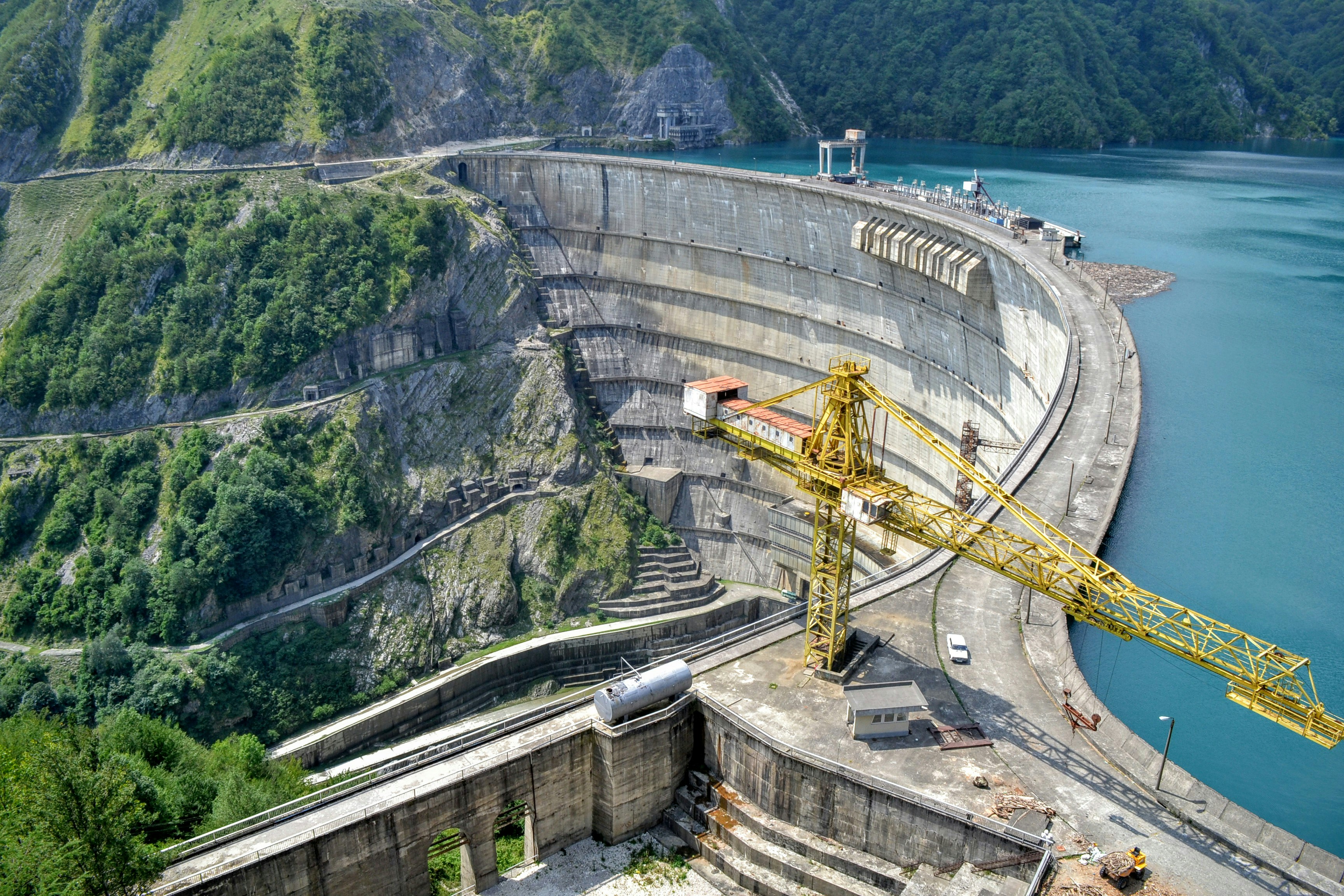
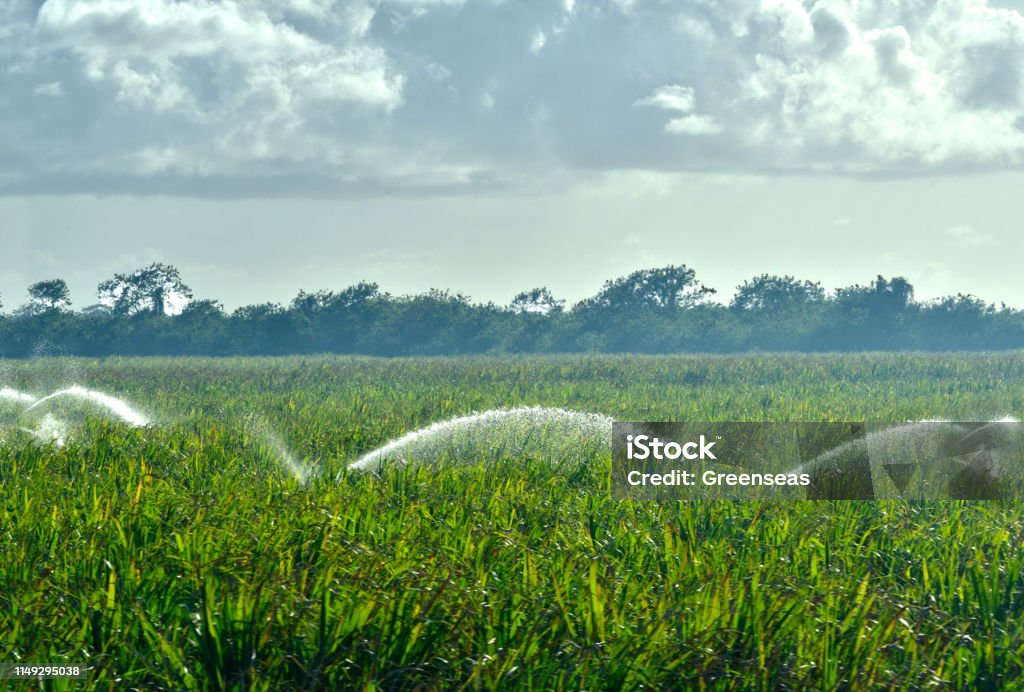
Blue Water Use
Green Water Use

Green Water: The Rain Whisperer


This one’s easy to miss because you can’t always see it. Green water is the rainwater stored in the soil that plants soak up naturally. Think of a monsoon-fed wheat field or your backyard tulsi plant thriving after rainfall.


  • Used in rain-fed farming, very common in India
  • Absorbed by crops, forests, grasslands all naturally

Thought Starter: Ever seen a farmer wait for monsoon before planting? That’s green water in action. Eating local, seasonal veggies? You're supporting green water farming.

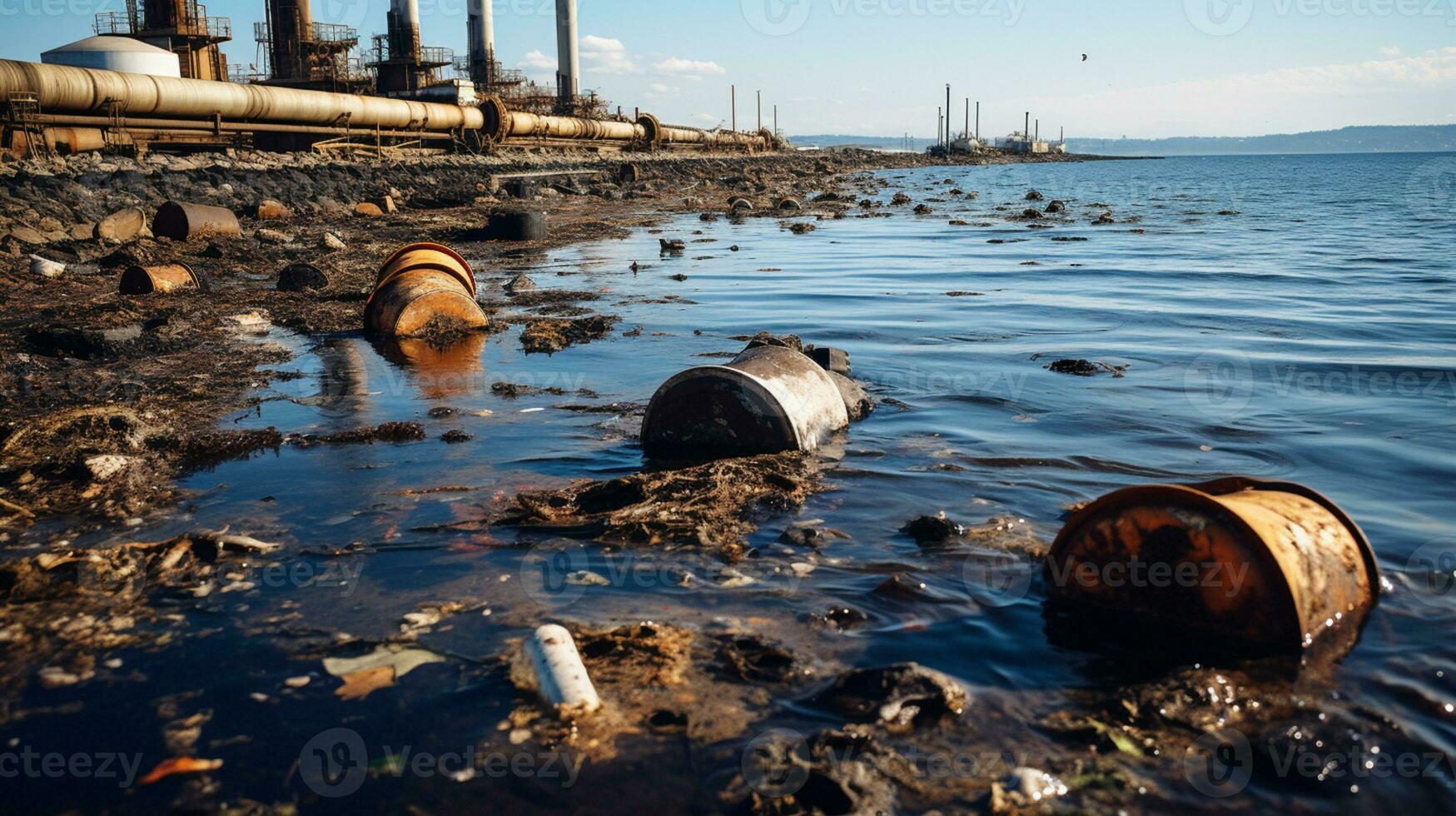
Grey Water: The Hidden Pollution


Grey water isn’t water we use, but water we need to fix the mess we made. It’s the amount of clean water needed to dilute pollutants like:


  • Pesticides and fertilizers from agriculture
  • Chemicals from factories and dyes from textiles
  • Household waste soaps, detergents, etc.

Imagine dumping dye into a stream, how much water do you need to make that stream safe again? That’s your grey water footprint.

Spraying your garden with pesticides adds to grey water. Buying clothes made in polluting factories also adds to it.

Connecting the Dots:
You buy a cotton T-shirt.
Green water grew the cotton using rainfall.
Blue water irrigated it during dry spells.
Grey water was needed to dilute the pesticides used on the crops and the dyes from the factory

All that just for one shirt. Wild, right?

Read about the impact of water footprint further!

Grey Water Pollution Grey Water Pollution