Impact of Higher Water Footprint
1. Environmental Impacts
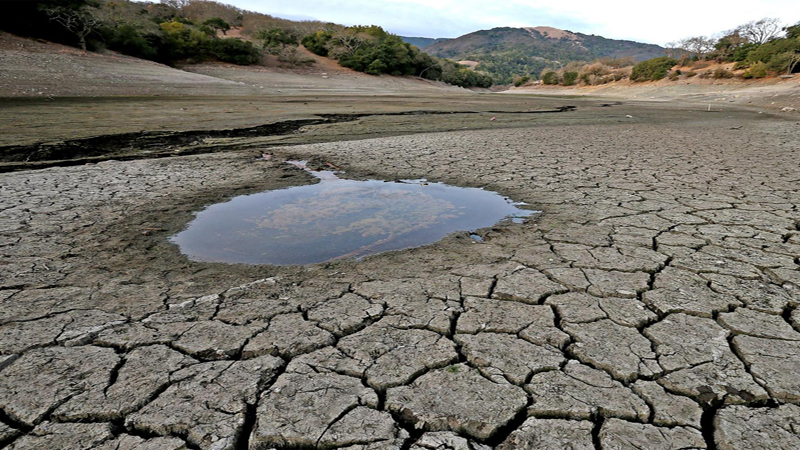
Water Scarcity- In some regions, rivers are drying up. Why? Because the water is being used faster than nature can replace it often to grow cotton or feed livestock for global consumption.
Ecosystem Damage- When wetlands shrink or disappear, species that depended on them vanish too. What seems like "just water" is actually someone’s entire habitat. In some farming areas, the soil is now so salty from over-irrigation, nothing grows anymore. It’s like slow poisoning of the Earth’s skin.
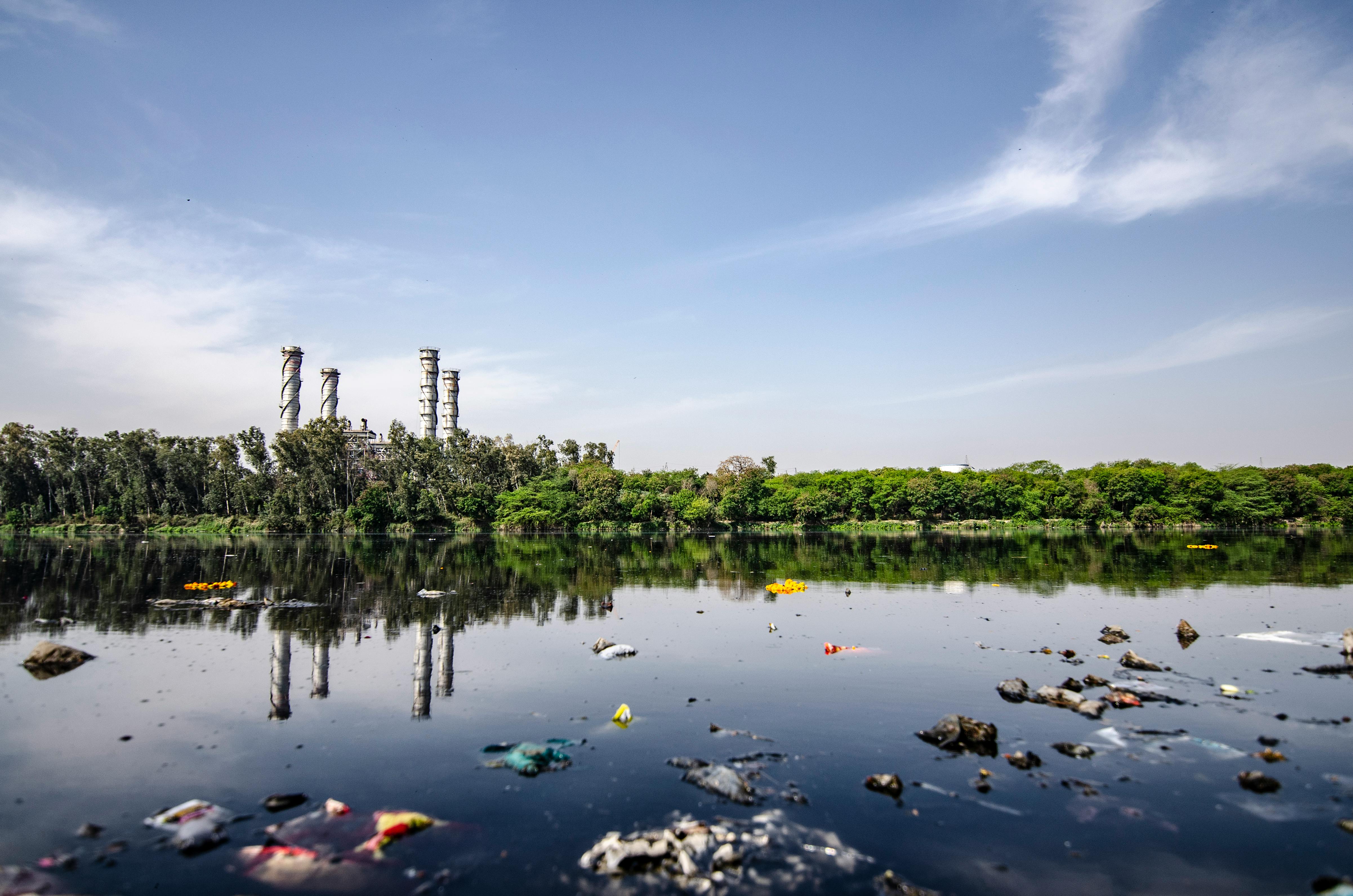
Pollution- Water bodies are turning toxic. Pollutants from industries, especially textile and food processing, flow untreated into rivers and into our ecosystems. Algae blooms from fertilizers choke lakes and ponds. They may look green, but they’re killing everything beneath.
2. Social Impacts
Inequality in Access- In rural India or sub-Saharan Africa, families sometimes walk miles for a few liters of water while bottled water factories nearby consume millions of liters a day. It’s not just unfair. it’s heartbreaking. Industries take what locals need to survive.
Health at Risk- When the local pond is contaminated, where do people drink from? Often, they don’t have a choice and diseases follow. Children get sick. Mothers worry. But the pollution continues.
Food Security- With less water to grow crops, farming families lose their income and their meals. Food prices rise. Hunger spreads.
3. Economic Impacts
Costs Rising- In areas with water stress, companies now spend more on water treatment, access, and logistics. These costs trickle down to us. Some businesses are even relocating due to water shortages. It's that serious.
Agricultural Impact- Farmers are on the front lines. When water sources dry up or soil becomes unusable, they can’t grow food. Not for their family, nor for the market. High water-demand crops like sugarcane, rice, or cotton bring quick profit but long-term harm. We need smarter choices.
4. Climate Change & Water
Droughts & Floods- Irregular rains and water stress are already displacing
communities. It's happening right now,
not in some distant future.
Energy Crisis- Power plants, coal-based ones, rely heavily on water. As rivers
shrink, power supply
becomes unstable affecting homes and hospitals.
Textile Industry and Water Footprint
Every time you buy a T-shirt or a pair of jeans, you're not just buying clothes you're also unknowingly consuming thousands of liters of water. The textile industry, though often overlooked, is one of the biggest contributors to global water stress. Here's why that matters more than most people realize.
1. Cotton Production
Cotton may feel soft and harmless, but its water demand is staggering. It’s the most widely used fiber in the textile world, yet also one of the thirstiest.
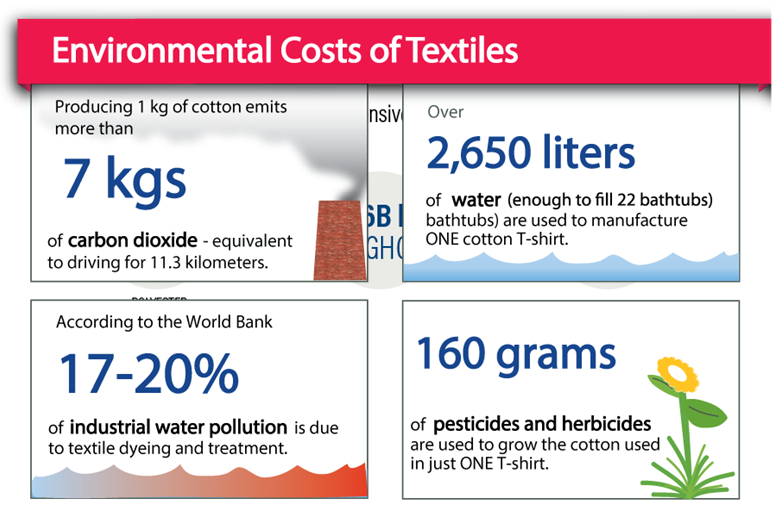
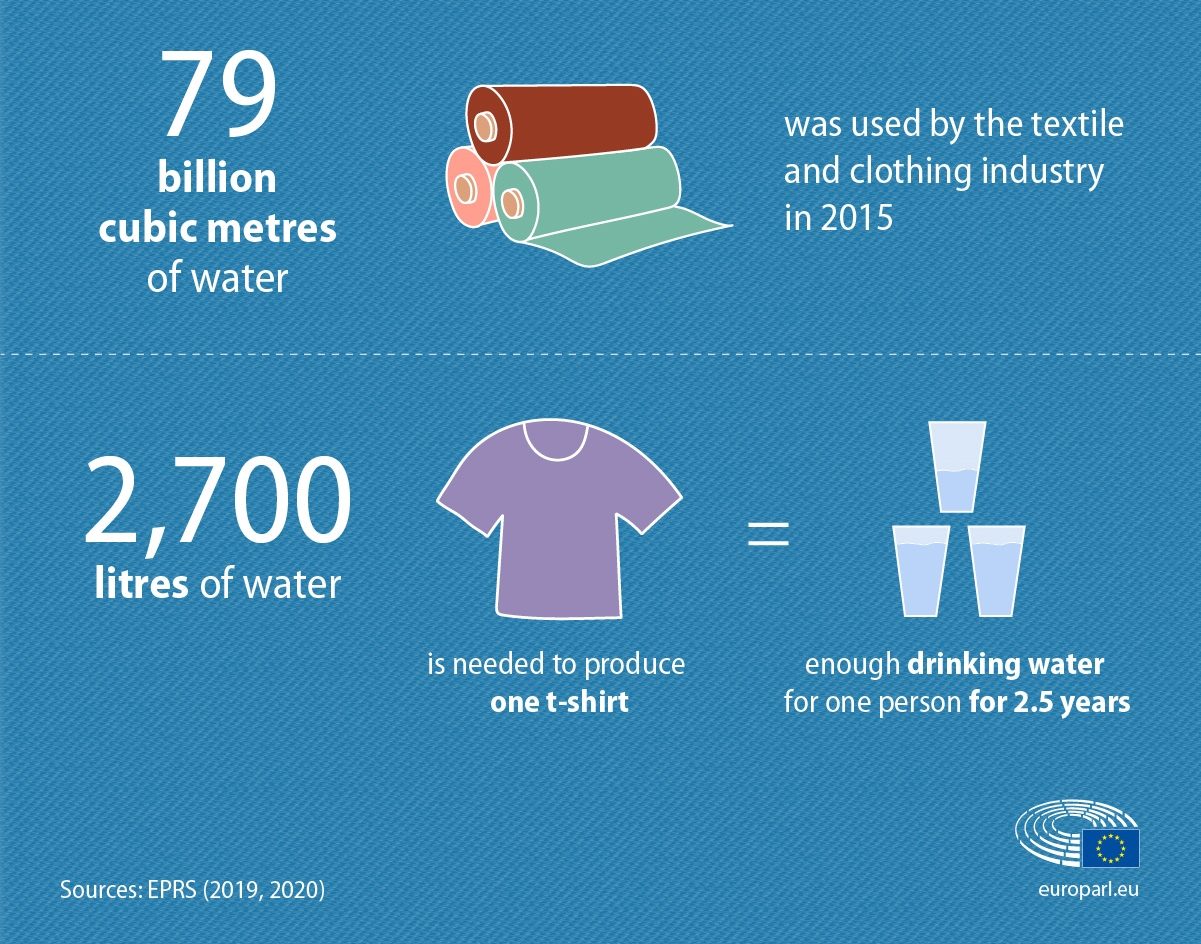
- To grow enough cotton for just one T-shirt, it takes around 2,700 liters of water. That’s nearly what a person drinks in three years.
- Most of this water is used for irrigation especially in regions already struggling with low rainfall and groundwater depletion.
- Globally, the cotton industry is responsible for about 3% of the total water footprint. On paper, it may sound small but the sheer volume of cotton grown worldwide turns that number into a massive environmental cost.
2. Dyeing and Finishing
Once the fabric is made, the water problem doesn’t end it intensifies. The dyeing and finishing process turns clean water into toxic waste in many manufacturing hubs.
- It takes roughly 100 to 150 liters of water to dye a single kilogram of fabric. For some fabrics, the number can go up to 200 liters.
- But the issue isn't just quantity it’s also the quality of what’s left behind. Many factories release wastewater directly into rivers without treatment, contaminating water used by communities and ecosystems downstream.
- Textile dyeing is responsible for up to 20% of global industrial pollution. That means one-fifth of polluted industrial water comes from our clothes.
3. Global Water Footprint of Textiles
When you zoom out, the numbers become even harder to ignore. The textile industry uses enough water annually to fill tens of millions of Olympic-size swimming pools.
- Estimates suggest the industry consumes around 93 billion cubic meters of water each year.
- The total water footprint for producing just 1 kilogram of textiles can exceed 30,000 liters, depending on the material and processes involved.
- For reference: that’s more water than an average household uses in a month all for a piece of clothing.
When buying your next piece of clothing, pause and ask how much water did this cost the planet? Because the impact is not just hidden in supply chains it’s also hidden in plain sight.
Food Industry and Water Footprint
Ever thought about how much water your food consumes before it even reaches your plate? From growing crops to packaging processed meals the water toll is massive. And in a world facing water scarcity, it's a toll we can’t afford to ignore.
1. Water Use in Agriculture
Food starts in the fields, and that’s where the biggest gulp of water happens. Some everyday staples use surprisingly large volumes of freshwater:
- Rice: ~2,500 liters of water per kg (due to flooded paddy fields)
- Wheat & Corn: ~1,600 liters/kg
- Beef: A staggering ~15,000 liters/kg (feed, drinking, and processing)
- Chicken: ~4,300 liters/kg
- Eggs: ~3,300 liters/kg
- Milk: ~1,000 liters per liter
That single plate of biryani or burger? It could consume more water than what one person drinks in half a year. And that’s just one meal.
2. Water Use in Food Processing
The water story doesn’t end after harvest. Once crops and livestock are ready, they’re washed, processed, cooled, and packaged and each step uses more water.
- Orange Juice: ~560 liters per liter (growing, squeezing, bottling)
- Chocolate: ~17,000 liters per kg (mostly from water-intensive cocoa farming)
- Coffee: ~18,000 liters per kg (water used to grow and wash beans)
- Wine: ~1,300 liters per liter (from vineyard to bottle)
- Sugar: ~1,500–3,000 liters per kg
Your favorite treats? They're silently sipping water from sources that millions depend on.
3. Why This Matters
Agriculture alone accounts for 70% of global freshwater withdrawals. And as the global population rises, so does food demand and water pressure.
But here’s the good news: awareness = action. Choosing less water-intensive foods even a few times a week can help reduce demand. It’s not about eliminating your favorites, it’s about understanding the cost and making smarter, informed choices.